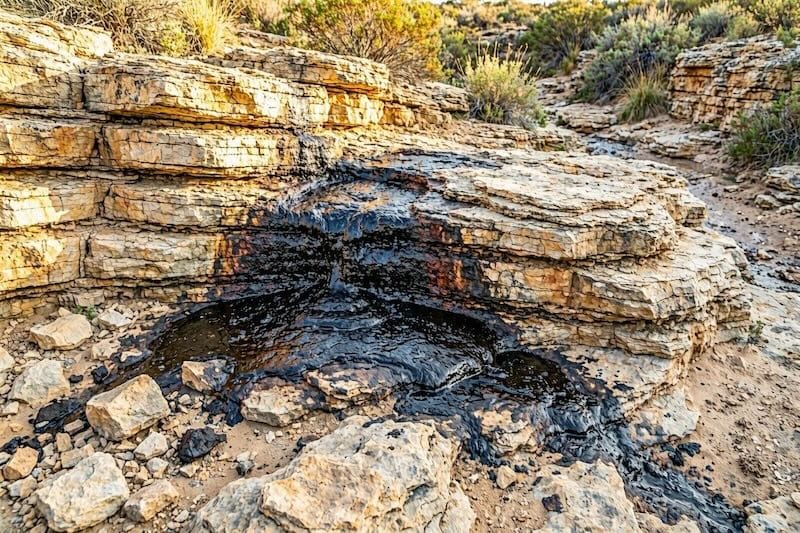
Natural asphalt is a naturally occurring form of bitumen found in rock formations, sand deposits, and surface seeps. Unlike refined asphalt cement, which is produced during petroleum refining, natural asphalt forms over geologic time as hydrocarbons migrate, weather, and concentrate in the ground. Asphalt can occur naturally in deposits such as lake asphalt, rock asphalt, and bituminous sands.
For contractors, owners, and developers, the key takeaway is simple: natural asphalt is a real pavement material with a long history, but on most modern paving jobs, performance depends just as much on surface preparation, milling accuracy, and cleanup as it does on the binder itself. That is where Native Construction stands apart. While some companies focus mainly on selling material, Native Construction helps Florida projects succeed through precise asphalt milling, fast milling clean up services, and advanced grade control for demanding resurfacing work.
Natural asphalt is bitumen that occurs in nature rather than being manufactured in a refinery. It may appear in several forms:
The Asphalt Institute describes asphalt as a dark brown to black cementitious material in which the predominant constituents are bitumens. In natural deposits, those bitumens are mixed with mineral matter to varying degrees, which means the material often needs processing before use in paving.
Natural asphalt develops over very long periods as crude oil or other hydrocarbons move through subsurface formations. Lighter compounds can evaporate or biodegrade, leaving behind heavier bituminous material. In some areas, that residue saturates rock or rises to the surface.
This is why natural asphalt is often associated with:
The exact composition varies by deposit. That matters because consistency is critical in paving. Modern project specifications usually demand tight control over binder properties, aggregate gradation, lift thickness, and compaction. Natural asphalt can be useful, but it must fit the performance requirements of the job.
This is where many readers get confused. Both materials are asphaltic, but they are not the same thing.
In modern paving, refined asphalt products dominate because consistency and quality control are essential. Agencies and engineers rely on tested specifications from organizations such as ASTM International and the Federal Highway Administration.
Natural asphalt has a long history in construction and waterproofing. Britannica notes that natural asphalt was used in ancient times for mortar, waterproofing, and adhesive purposes. In more recent eras, rock asphalt and similar materials have been used in roadway surfacing, patching, and specialty mixes.
Today, natural asphalt may still appear in:
However, for most current roadway and commercial paving work in the United States, contractors are more likely to work with engineered asphalt mixes designed around project specifications, climate, traffic loading, and performance goals.
Even if your project will not use a natural asphalt product directly, understanding it helps explain how asphalt materials behave and why material selection must align with field execution.
Natural asphalt remains relevant because it highlights three important truths:
That last point deserves emphasis. According to the Federal Highway Administration guidance on pavement preservation, selecting the right treatment at the right time is crucial for pavement life and cost effectiveness. In practice, even a high quality asphalt material can underperform if the milled surface is uneven, the profile is off grade, or debris is left behind before paving.
Natural asphalt can offer real advantages, but it also comes with constraints.
For infrastructure work, consistency is everything. The National Asphalt Pavement Association reports that asphalt mixtures in the United States are heavily engineered and increasingly incorporate recycled materials while still meeting performance targets. Its 2023 industry survey found that asphalt remains the most recycled material in America, with millions of tons of reclaimed asphalt pavement reused annually.
That trend reflects a larger industry priority: reliable, testable, repeatable pavement performance.
If you are evaluating natural asphalt, rock asphalt, or conventional asphalt materials, the bigger question is often this: will the pavement structure be properly prepared to support long term performance?
That is where Native Construction brings more value than a material only provider.
Native Construction specializes in the field execution side that determines whether resurfacing succeeds:
In other words, Native Construction does not just talk about asphalt. The company prepares pavement surfaces so the next layer can perform the way it was designed to perform.
A resurfacing project is only as good as the surface beneath it. Uneven milling can create thickness variation in the new mat, and thickness variation can affect ride quality, compaction, drainage, and service life.
The Federal Highway Administration has long emphasized proper surface preparation and recycling practices in asphalt pavement rehabilitation because these steps influence bonding, smoothness, and structural performance. See the agency’s asphalt pavement recycling resources.
Native Construction’s approach aligns with that standard of care. The company uses advanced equipment and disciplined milling practices to achieve a clean, consistent surface ready for overlay. On complex projects, that precision can reduce rework and help crews stay on schedule.
People sometimes lump all asphalt related materials together, but they are different:
This distinction matters because reclaimed asphalt pavement is one of the most important materials in modern road construction. The National Center for Asphalt Technology and NAPA both publish research showing how recycled asphalt can be incorporated effectively when mix design, plant control, and field construction are handled correctly.
For owners looking at sustainability and budget, that means the smartest conversation is usually broader than natural asphalt alone. It should include:
Natural asphalt may be worth discussing if your project involves:
Even then, ask practical questions:
Those last two questions are often the difference between a smooth job and a costly one.
Some competitors focus narrowly on promoting one asphalt material. Native Construction offers something more valuable for most owners and contractors: execution.
That includes:
For Florida infrastructure, where traffic demands, weather exposure, and scheduling pressure are real, dependable pavement preparation is not a side issue. It is the foundation of the whole project.
Natural asphalt is a naturally occurring bituminous material found in deposits such as rock asphalt and asphalt lakes. It has historical and specialty value, but most modern paving projects rely on engineered asphalt systems with tight performance controls.
If you are planning resurfacing or rehabilitation work, do not stop at the material question. Ask how the pavement will be milled, cleaned, and prepared for overlay. That is where long term performance starts.
For teams that need accurate milling, efficient cleanup, and dependable project support in Florida, Native Construction brings the kind of technical execution that helps pavement systems perform as intended.