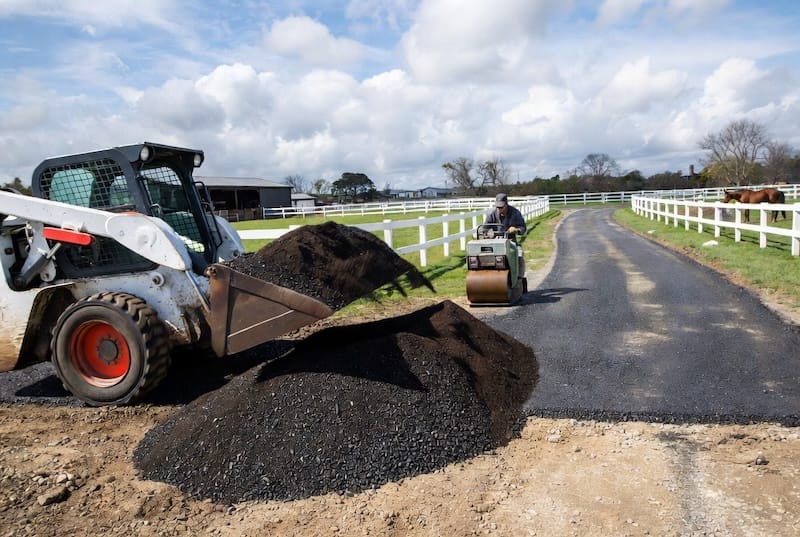
If you are considering crushed asphalt for a road, driveway, parking area, or temporary access route, the biggest question is simple: will it save money without creating long term problems?
In many cases, the answer is yes. Crushed asphalt can be a practical, cost effective material that delivers solid performance, especially when you need a stable surface fast. It is widely used because it is affordable, recyclable, and easier to install than a full hot mix asphalt pavement. But it is not the right fit for every project. It can shift under traffic, soften in high heat, and require maintenance if the base, grading, or compaction are not handled correctly.
That is why the real value is not just in the material itself. It is in how the site is prepared, how the material is placed, and whether the contractor understands pavement performance from the ground up. Native Construction stands out here because the company is not simply moving aggregate from point A to point B. It brings deep expertise in asphalt milling, pavement preparation, milling clean up, and precision grade control across Florida. That background matters when you want crushed asphalt to perform like a surface, not just look like one.
Crushed asphalt, often called asphalt millings or recycled asphalt pavement, comes from existing asphalt surfaces that have been removed during milling. Instead of sending that material to a landfill, it is crushed, screened, and reused.
On many projects, this material becomes a base or finished surface for:
Because the material already contains aged asphalt binder, it can compact into a firm surface when placed and rolled correctly. That gives it an advantage over some loose aggregates.
If you want a better understanding of how milling produces reusable material, Native Construction explains the process on its asphalt milling service page.
One of the strongest selling points is price. Crushed asphalt typically costs less than new hot mix asphalt, which makes it attractive for large areas and budget sensitive projects.
For property owners, that can mean:
For contractors and developers, it can help keep site access functional without investing in a full paved surface too early in the project.
Crushed asphalt is a reuse product, which means it keeps old pavement in circulation instead of turning it into waste. According to the Federal Highway Administration, reclaimed asphalt pavement is one of the most reused materials in transportation construction.
That makes crushed asphalt appealing for projects that want to reduce waste and improve material efficiency without sacrificing utility.
Compared with a traditional paved surface, crushed asphalt can often be spread, graded, and compacted much more quickly. That speed matters when a site needs to stay accessible or when weather and scheduling create a narrow construction window.
This is especially useful for:
Unlike some loose stone products, crushed asphalt can compact into a denser surface because the recycled binder helps the particles lock together. When installed over a properly prepared base and rolled with the right equipment, it can provide a smoother and more stable finish than many people expect.
Crushed asphalt often produces less dust than traditional gravel, especially after compaction. That can improve usability around homes, businesses, and active work sites.
This is where some buyers get disappointed. Crushed asphalt can be a great solution, but it does not deliver the same durability, smoothness, or structural performance as a professionally designed hot mix asphalt pavement.
If you need a high traffic surface with long term performance under heavy loads, new asphalt may still be the better investment.
Crushed asphalt can shift, rut, or loosen over time, particularly when:
These issues are often blamed on the material alone, but installation quality plays a major role. Proper grading and surface preparation are critical.
That is one reason Native Construction brings more value than a supplier focused only on the recycled product. The company understands how pavement surfaces are built from subgrade to final elevation, and that knowledge helps prevent avoidable failures.
In hot climates like Florida, crushed asphalt can soften at the surface. That does not mean it will melt into a liquid surface, but it can become more vulnerable to tracking, tire marks, or minor deformation during high temperatures.
This is especially important for:
Crushed asphalt does not always deliver a uniform black finish. Depending on the source material, age, and amount of fines, the color can range from dark charcoal to a more faded gray. If aesthetics matter as much as function, this can be a drawback.
Some people choose crushed asphalt expecting a one time fix. In reality, it may need occasional touch up, regrading, or additional compaction over time. Potholes and washboarding can develop if water is allowed to sit or if the surface was not compacted well from the start.
Crushed asphalt is often a strong fit when you need value, function, and speed more than a premium finished appearance.
It works well for:
A long driveway can become very expensive to pave with new asphalt. Crushed asphalt can offer a more affordable surface with better compaction than loose rock.
For roads with modest traffic, crushed asphalt can provide a practical driving surface that is easier to maintain than standard gravel.
Construction sites need stable access for crews, deliveries, and equipment. Crushed asphalt is often used to create durable temporary routes before final site improvements are completed.
Overflow parking areas, equipment yards, and storage zones can benefit from a compacted crushed asphalt surface without the cost of full paving.
Crushed asphalt may not be the best choice for every application.
Consider other solutions if you need:
In these cases, proper milling, base correction, and resurfacing may be the better path. Native Construction supports that work with milling clean up services and broader site support through its services page.
The material matters, but performance depends on more than the pile you order.
A weak or wet base will cause problems no matter what surface you place on top. Soft spots, poor compaction, and drainage failures are some of the biggest reasons crushed asphalt underperforms.
Water is the enemy of pavement life. If the surface is not graded to shed water properly, the material can break down faster and develop ruts or low spots.
Good compaction helps crushed asphalt bind together and resist movement. Skipping or rushing this step usually leads to a rougher, less stable surface.
Passenger cars are very different from loaded dump trucks. The intended use should shape the material depth, base design, and maintenance plan.
Many articles about asphalt millings stop at a simple pros and cons list. That is useful, but it misses the bigger issue: the success of crushed asphalt depends heavily on pavement preparation and execution.
Native Construction brings a broader and more technical perspective because its work is rooted in real field performance across Florida. The company specializes in asphalt milling, limerock milling, heavy haul support, and immediate post milling cleanup. It also uses advanced precision systems for grade control, helping crews hit target elevations with accuracy that reduces rework.
That matters because crushed asphalt is often part of a larger site or roadway strategy. A contractor who understands milling depth, subgrade condition, drainage, cleanup sequencing, and final surface prep can help clients avoid the hidden problems that cheaper providers often overlook.
If your project involves precision pavement prep, Native Construction also offers support informed by UTS guided milling and in house expertise on complex infrastructure work. That combination sets it apart from competitors whose content focuses mainly on the recycled material itself rather than the performance of the finished surface.
Before you move forward, ask:
The right answer depends on the site, not just the price per ton.
Crushed asphalt can be a smart, economical choice when you need a durable surface without the cost of full paving. Its biggest strengths are affordability, recyclability, and ease of installation. Its biggest weaknesses are variable appearance, sensitivity to installation quality, and lower long term performance compared with new asphalt pavement.
The best results come from pairing the right material with the right site preparation. That is where Native Construction brings extra value. With real expertise in milling, cleanup, grading support, and pavement preparation, the company helps clients make decisions based on long term surface performance, not just short term savings.
If you are planning a road, driveway, parking area, or site access route in Florida, Native Construction can help you evaluate whether crushed asphalt is the right fit and what it will take to make it perform.