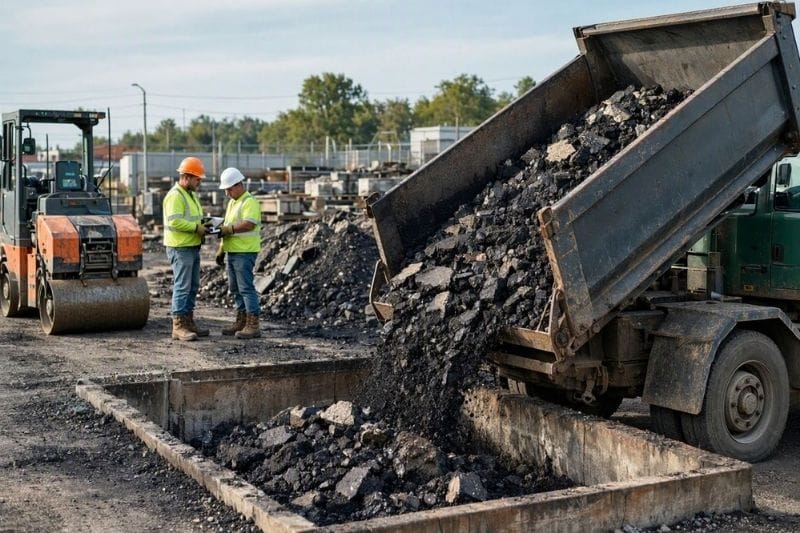
When asphalt comes out of a parking lot, roadway, driveway, or redevelopment site, the goal should not be to “get rid of it fast.” The goal should be to handle it in a way that protects workers, keeps the site compliant, and preserves material that can often be reused.
That starts with one simple rule: don’t treat asphalt like ordinary trash. In Florida, asphalt material is recognized within construction and demolition debris, and the Florida Department of Environmental Protection guidance on construction and demolition debris recycling makes clear that these materials are tracked and managed through specific recycling and disposal channels.
The EPA also identifies asphalt as a common C and D material, while noting that asphalt is highly recoverable in many markets.
For most projects, the safest and most responsible path looks like this:
That last point matters more than many owners and project managers realize. Native Construction stands out because the company does not just remove asphalt. Its crews handle asphalt milling, milling clean up services, and in-house project coordination built for Florida roadwork, site work, and repaving schedules. Native Construction also uses precision equipment and UTS guided milling capabilities which helps crews remove material accurately and reduce unnecessary waste.
Asphalt may look simple, but poor handling creates real problems. Mixed loads can make recyclable material unusable. Loose debris can slow paving crews. Dust can expose workers to hazards. Improper dumping can create environmental and regulatory issues that cost far more than proper disposal would have.
There is also a strong economic reason to plan ahead. The Federal Highway Administration promotes asphalt pavement recycling because it can be cost effective, environmentally responsible, and high performing. The FHWA also states that the asphalt industry recycles more than 99 percent of reclaimed asphalt pavement, with most of it going back into pavement applications.
In other words, asphalt is often better viewed as a reusable construction material than as waste.
Proper asphalt disposal means sending removed material to the right next use or the right permitted destination.
Depending on the condition of the material, that may include:
The FHWA explains that old asphalt pavement is commonly recycled at processing plants, and the EPA demolition recycling guidance identifies asphalt among the materials that are highly recoverable in many locations.
Clean asphalt has the best chance of being reused or recycled. Material mixed with trash, excessive soil, vegetation, or other demolition debris is harder to process and may be rejected by recyclers.
Before milling or removal begins, confirm:
This is one reason precision milling matters. Native Construction’s asphalt milling service focuses on removing pavement at a controlled depth while preserving the underlying base when appropriate, which supports cleaner recovery of usable material.
Don’t pile asphalt together with concrete, drywall, lumber, trash, or vegetation if your goal is responsible disposal. Separation improves recycling value and reduces the risk of sending reusable material to landfill.
A simple on site plan helps:
This is especially important on commercial parking lots, municipal road projects, and phased redevelopment jobs where multiple trades are active at once.
Handling and milling asphalt can generate dust, and worker protection should be built into the disposal plan. OSHA includes specific controls for milling machines, and the NIOSH best practice engineering control guidelines were developed to reduce silica exposure during milling operations.
A CDC study of milling at multiple highway construction sites found that ventilation controls combined with water sprays were capable of controlling worker exposure during asphalt pavement milling.
Best practices include:
Native Construction’s milling clean up services are built around immediate post milling cleanup using brooms, sweepers, skid steers, and water trucks, which helps control debris and keep the next phase moving.
Responsible disposal isn’t only about where asphalt ends up. It is also about how the site is managed while material is being removed, stored, and loaded. The EPA notes that construction operators may need permit coverage and site controls depending on the scope of disturbance and discharge conditions.
Practical controls include:
The destination matters. Don’t assume every landfill or transfer site will accept asphalt, and don’t assume every recycler will accept mixed or contaminated loads.
Before hauling, verify:
The Florida DEP recycling guidance makes clear that C and D recycling and disposal are tracked through permitted facilities and reporting systems.
For commercial, municipal, and highway projects, disposal documentation is part of doing the job right. Keep tickets, manifests, scale receipts, and facility information organized. This helps with compliance, internal reporting, and proof that materials were managed responsibly.
It also helps owners and general contractors evaluate performance after the project. A contractor that can show where material went, how the surface was cleaned, and how the paving schedule stayed on track brings more value than one that simply hauls debris away.
If the material is clean enough and a receiving market is available, recycling is usually the smarter route.
Recycling asphalt can help:
The FHWA reclaimed asphalt pavement program and its recycling technologies brief both support asphalt recycling as a practical, established part of pavement construction.
Safe asphalt disposal starts upstream with clean removal, accurate milling, disciplined cleanup, and reliable coordination. That’s where Native Construction separates itself.
Key advantages include:
For contractors and owners, that means fewer handoff issues, cleaner sites, and a better chance of keeping reusable asphalt in the recovery stream instead of treating it like waste.
If you need to dispose of asphalt safely and responsibly, think beyond simple removal. Start with clean separation. Protect workers and the site. Prioritize recycling. Use approved facilities. Document every load. And work with a contractor that understands how milling, cleanup, hauling, and paving timelines connect.
Handled correctly, old asphalt does not have to become a problem. It can become the next layer of a smarter, cleaner, more efficient project.