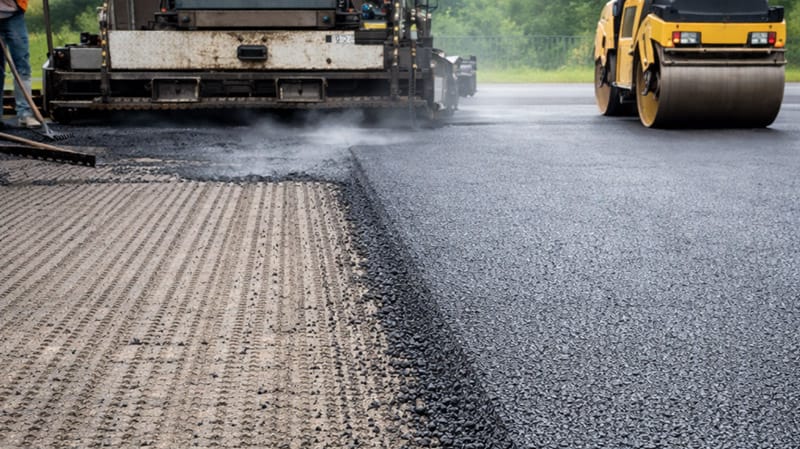
If a driveway or parking lot shows signs of wear but remains solid beneath the surface, an asphalt overlay may be the ideal solution.
An asphalt overlay works by paving over existing surfaces, giving the pavement a fresh look without the high costs and disruption of a complete replacement. Knowing when an overlay is suitable and understanding the process can help you make a confident, economical choice for your property. A professional contractor can determine whether an overlay or a complete replacement is needed.
This introduction outlines the key dos and don’ts of paving over existing surfaces, helping you choose the best approach to restore pavement and ensure its durability for years to come. An asphalt overlay can enhance the appearance of worn or damaged pavement, improving aesthetics and curb appeal.
The average homeowner may not have the expertise to assess pavement issues. Working with an experienced contractor ensures the pavement is properly evaluated, underlying issues are addressed before resurfacing, and the overlay is installed with the right materials and techniques, resulting in a longer-lasting surface and fewer costly repairs over time.
An asphalt overlay involves applying a new asphalt layer over an existing surface, commonly used for worn asphalt driveways. The new layer usually has a minimum thickness of 1.5 inches.
This process, also called resurfacing, uses the old asphalt as a base for the new asphalt. Even if the old asphalt is worn and cracked, an overlay may be suitable if the solid base remains and the surface is in good condition.
A contractor must assess the situation to determine the appropriate asphalt repair method. An asphalt overlay is typically recommended when the existing asphalt surface is still in good condition.
The existing surface should be structurally sound, clean, free of large debris and dirt, capable of bonding to the new layer, and ensure proper drainage. It is important to check for small cracks, intense wear, and issues caused by tree roots or earth movement.
If the driveway is not draining properly, cannot drain water effectively, or has improper drainage, an overlay alone will not resolve the issue. In such cases, regrading or complete removal and replacement of the whole driveway may be necessary to prevent future damage.
An overlay is suitable for small issues such as minor surface cracks, slight water damage or uneven surfaces. This approach is often preferable to removing and replacing the entire driveway and is more affordable. However, in some cases, removing and replacing may be the better option, depending on the condition of the existing pavement.
Routine maintenance is important for prolonging the lifespan of an overlay and preventing premature deterioration. Working with a professional on a new asphalt overlay ensures the work is completed safely with the right equipment and to the highest standards, protecting the underlying structure.
For significant issues such as large potholes, severe structural damage or improper drainage, the entire driveway must be removed and replaced. Simply paving over these problems will not resolve the underlying issues and can lead to further deterioration. Placing a new layer on a weak base typically results in cracking within a few years.
Since every situation is different and the average homeowner may not be able to identify all underlying problems, it’s advisable to consult a professional asphalt contractor to assess the driveway and recommend the best solution.
Proper preparation of the existing surface is vital to the asphalt overlay process, laying the foundation for a durable, attractive overlay. Before any new layer of asphalt is applied, the entire surface must be meticulously cleaned and repaired to ensure a strong bond and prevent future issues such as reflective cracking or water intrusion.
The process begins with removing large debris, such as rocks, branches and other obstacles that could interfere with installing the new asphalt layer. Once the surface is clear, a thorough cleaning is performed to eliminate dirt, dust and other contaminants. This step is essential, as even small particles can prevent the new asphalt from adhering properly, compromising the structural integrity of the overlay.
Addressing minor surface cracks and filling small potholes is the next step. These repairs help prevent water from seeping beneath the new asphalt layer, which is especially important in areas prone to poor drainage. If water penetrates the base layer, it can lead to more costly repairs and reduce the lifespan of the entire pavement structure.
In cases where the existing surface has more significant damage, such as large potholes, deep cracks or a deteriorating driveway, a professional asphalt contractor may recommend removing the top layer or repairing the base material before proceeding. This ensures that the new asphalt overlay is installed on a solid base, providing adequate drainage and long-term durability.
Checking the slope and drainage of the current surface is also essential. Proper planning and adjustments may be needed to provide adequate drainage, preventing water from pooling on the new asphalt surface and causing premature wear. Ensuring proper surface drainage not only protects pavement structural integrity but also helps maintain the appearance and safety of the outdoor space.
By investing in thorough preparation, property owners can significantly enhance the curb appeal and functionality of their driveway or parking lot. Choosing the right pavers and design elements can further enhance the driveway’s overall look, adding a fresh layer that complements adjacent structures and the overall landscape.
Regular maintenance, such as sealing hairline cracks and addressing minor issues as they arise, will help extend the life of the new asphalt overlay and prevent more costly repairs in the future.
The process begins with milling, which involves grinding down a thin layer of the worn asphalt surface, typically one to three inches, depending on the extent of cracks, raveling or other surface issues, to ensure effective bonding of the new layer.
The removed asphalt is then transported for recycling. The exposed base allows professionals to repair problem areas.
After repairs are completed, a tack coat is applied to the entire surface, further enhancing the bond between the old and new asphalt, ensuring a uniform surface and reducing the risk of future separation.
Next, a new asphalt layer is applied over the restored base. The thickness of this surface layer is adjusted as needed and typically matches the depth of removal, creating a smooth, durable finish that extends the pavement’s service life. The driveway edges must be formed and compacted after the new asphalt is laid. Compaction of the new asphalt is the final step in the overlay process, enhancing its strength and durability.
By addressing surface damage and reinforcing problem areas, an overlay can restore both appearance and performance while keeping costs manageable. However, the appropriate repair method depends on the condition of the existing pavement, which is why a professional evaluation is needed.
Local specialists like Native Construction Group can perform an asphalt overlay and assess the situation to minimize future repairs and deliver a smooth, durable surface. Contact us today to begin your pavement project. Collaborating with experienced experts ensures your overlay is installed correctly and will last for many years to come.